+1 (561) 295-3504


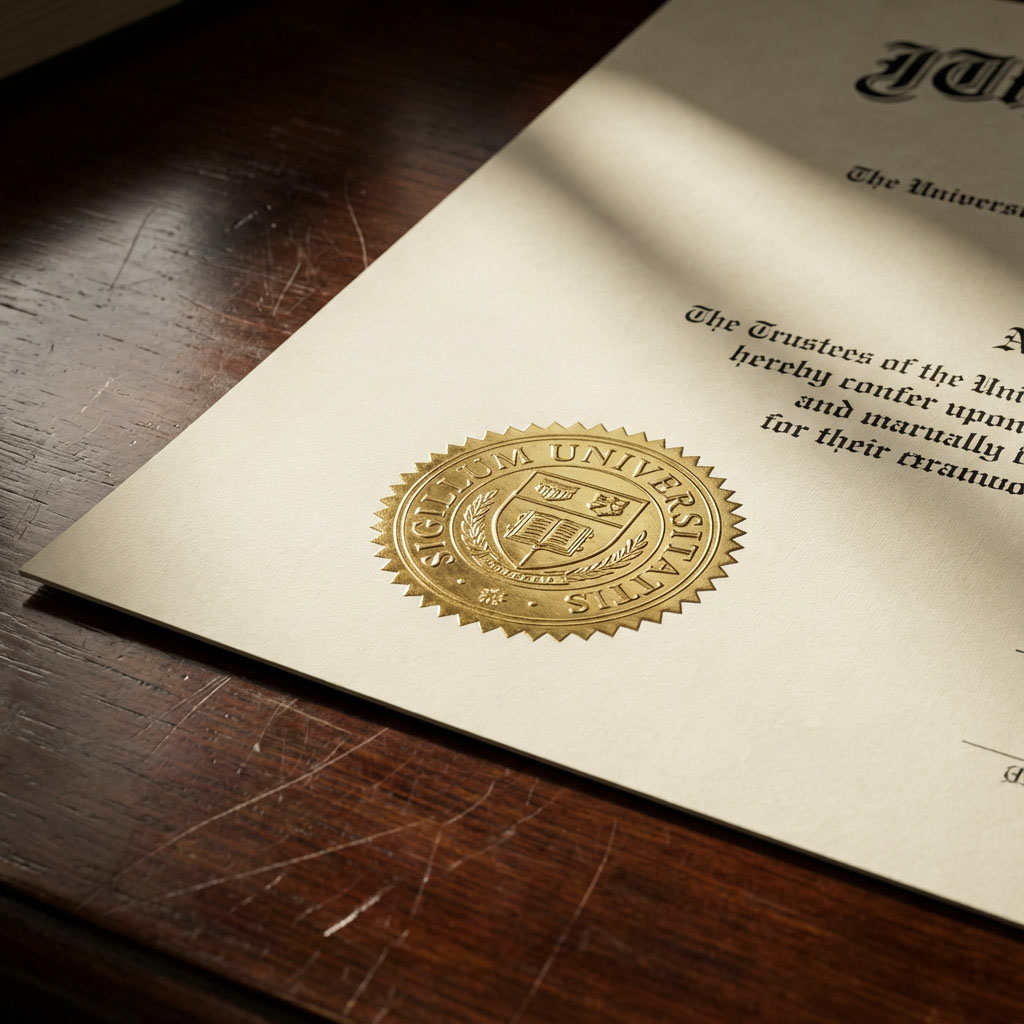
An accredited online high school is one that has been evaluated and approved by an independent accrediting organization, confirming it meets established educational standards. Regional accreditation from bodies like Cognia or SACS CASI is what you want to look for, as these credentials carry the most weight with colleges, universities, and other schools.
If you're considering online high school for your teenager, accreditation should be the first box you check, not the last. Everything else, from curriculum quality to college acceptance, flows from this one factor.
But accreditation can be confusing. There are different types, different organizations, and a lot of programs that use impressive-sounding language without the credentials to back it up. Let's cut through the noise and talk about what actually matters.
Here's the scenario you want to avoid. Your child completes four years of high school online, earns solid grades, and applies to college. Then you discover the school's accreditation wasn't recognized, and admissions offices are questioning whether to accept the transcript. It happens, and it's devastating for families who thought they did their homework.
Accreditation exists to protect students from exactly this situation. When an independent organization accredits a school, they're verifying that the curriculum, teaching quality, and administrative practices meet specific standards. Colleges trust these credentials because they provide assurance that the education your child received was legitimate.
Beyond college acceptance, accreditation affects credit transfers. If your family relocates and your child needs to switch schools, credits from an accredited institution transfer smoothly. Credits from non-accredited programs? That's where things get complicated, and sometimes students end up repeating coursework they've already completed.
You'll encounter two main categories of accreditation, and they're not interchangeable.
Regional accreditation is the gold standard. Despite the name, regional accrediting bodies like Cognia (which includes SACS CASI) operate nationally and are recognized by the U.S. Department of Education. Most traditional public and private schools hold regional accreditation, and it's what colleges and universities expect to see.
National accreditation is a different animal. Some nationally accredited schools are perfectly legitimate, but this type of accreditation is more common among vocational and career-focused programs. The issue is that many colleges, particularly selective institutions, don't accept credits from nationally accredited schools as readily as they accept regionally accredited credits.
The short version: look for regional accreditation. If a school only holds national accreditation, dig deeper and understand the implications before enrolling.
Several regional accrediting bodies operate in the United States. The one you encounter most often depends partly on geography, though many now accredit schools nationwide.
Cognia is one of the largest, formed from the merger of several regional accreditors including SACS CASI (Southern Association of Colleges and Schools Council on Accreditation and School Improvement). Schools accredited by Cognia have undergone rigorous evaluation and ongoing review.
Other recognized regional accreditors include the Middle States Association, the Western Association of Schools and Colleges, and the New England Association of Schools and Colleges. All carry weight with colleges and universities.
You can verify a school's accreditation status directly with the accrediting organization. Don't just take the school's word for it. A quick search on the accreditor's website confirms whether the credentials are current and legitimate.
Let's be direct about this: admissions officers at four-year colleges and universities expect to see transcripts from accredited high schools. According to the National Association for College Admission Counseling, high school GPA and the rigor of curriculum are among the most important factors in college admissions decisions. Both of those factors assume the coursework comes from a recognized, accredited institution.
This doesn't mean online high school graduates face disadvantages. Students from accredited online high schools compete on equal footing with traditional school graduates. Their transcripts are evaluated the same way. Their grades carry the same weight. Their diplomas open the same doors.
The problems arise when students attend non-accredited or poorly accredited programs. Admissions offices may request additional documentation, question the validity of coursework, or in some cases decline to accept the transcript at all. It's a completely avoidable problem if you verify accreditation upfront.
For student athletes hoping to compete at the collegiate level, accreditation takes on additional importance. The NCAA maintains specific requirements for academic eligibility, and attending an approved school is part of that equation.
Schools that are NCAA Approved have had their courses evaluated and accepted by the NCAA Eligibility Center. Students attending these schools can have their coursework count toward the core course requirements needed for Division I and Division II eligibility.
If your child is a serious athlete with college sports aspirations, this matters. Attending a non-approved school could jeopardize their eligibility, regardless of their athletic talent or academic performance. Check NCAA approval status in addition to accreditation when evaluating online high school options.
Accreditation is necessary but not sufficient. Once you've confirmed a school holds proper credentials, you still need to evaluate whether it's the right fit.
Teacher quality and accessibility vary widely among accredited programs. Some maintain small class sizes with teachers who know students individually. Others pack hundreds of students into courses with minimal interaction. Ask about student-to-teacher ratios and how teachers provide feedback and support.
Curriculum rigor matters too. Look for schools that offer honors courses, Advanced Placement options, and a range of electives. A bare-bones curriculum might be accredited, but it won't necessarily prepare your student for competitive college programs.
Support services round out the picture. Does the school offer college counseling? Academic advising? Technical support when something goes wrong? The best programs provide resources that help students succeed, not just content to complete.
High school spans four years with increasing academic demands each year.
Ninth grade establishes the foundation. Students typically take Algebra I or Geometry, introductory sciences like Biology, English focused on literary analysis and composition, and social studies covering world history or geography. This year sets the tone for the rest of high school.
Tenth grade builds on that foundation. Math progresses to Geometry or Algebra II. Sciences often include Chemistry. English and social studies coursework becomes more demanding. Students may begin exploring electives aligned with their interests.
Eleventh grade is often the most challenging academically and the most important for college applications. Many students take AP courses, prepare for standardized tests, and begin the college search process. Strong programs provide guidance through all of this.
Twelfth grade focuses on completion and transition. Students finish graduation requirements, finalize college applications, and prepare for the next chapter. Good programs offer college counseling support during this critical year.
Some warning signs suggest a program may not be what it claims.
Vague language about accreditation is a red flag. Phrases like "nationally recognized" or "meets educational standards" without naming specific accrediting bodies should raise questions. Legitimate schools are transparent about their credentials.
Promises that seem too good to be true probably are. Accelerated programs that let students finish high school in a fraction of the normal time, or schools that guarantee diplomas with minimal effort, are often diploma mills with worthless credentials.
Difficulty verifying information is another concern. If you can't find a school listed on an accreditor's website, or if the school is evasive about providing documentation, proceed with extreme caution.
Choosing an accredited online high school requires some legwork, but the process isn't complicated once you know what to look for.
Start by confirming accreditation directly with the accrediting organization. Verify NCAA approval if athletics are a factor. Then evaluate the school based on teacher support, curriculum options, and the resources available to help your student succeed.
The right program provides a legitimate, rigorous education with the flexibility online learning offers. The wrong program creates headaches that follow your child for years. Taking time to verify credentials now prevents problems later.
What does it mean for an online high school to be accredited?
Accreditation means an independent organization has evaluated the school and confirmed it meets established educational standards for curriculum, teaching quality, and administration. Regional accreditation from bodies like Cognia or SACS CASI is the most widely recognized and accepted by colleges and universities.
Do colleges accept diplomas from accredited online high schools?
Yes. Colleges and universities accept diplomas and transcripts from regionally accredited online high schools the same way they accept credentials from traditional brick-and-mortar schools. The key is ensuring the school holds recognized regional accreditation.
How can I verify if an online high school is accredited?
Check directly with the accrediting organization rather than relying solely on the school's claims. Accreditors like Cognia maintain searchable databases on their websites where you can confirm a school's current accreditation status.
What is the difference between regional and national accreditation?
Regional accreditation is the gold standard recognized by most colleges and universities. National accreditation is more common among vocational programs and may not be accepted as readily by four-year institutions. For high school students planning to attend college, regional accreditation is strongly preferred.
Can student athletes attend accredited online high schools and still play college sports?
Yes, provided the school is both accredited and NCAA Approved. The NCAA evaluates courses from online schools, and students attending approved programs can count their coursework toward eligibility requirements for Division I and Division II athletics.
Are all online high schools accredited?
No. Accreditation is voluntary, and many online programs operate without recognized credentials. Always verify accreditation status before enrolling to ensure your child's coursework will be recognized by colleges and other institutions.

Learn what live online classes look like for K-12 students, how formats compare, why class size matters, and where to find a truly personalized option. Explore now.

Learn how self-paced online school works, who it fits best, and what accreditation and teacher involvement really mean before you choose a program.

Self-paced or live online school? This guide breaks down real differences, learning profiles, and how to find the right fit for your child. Start comparing now.