+1 (561) 295-3504


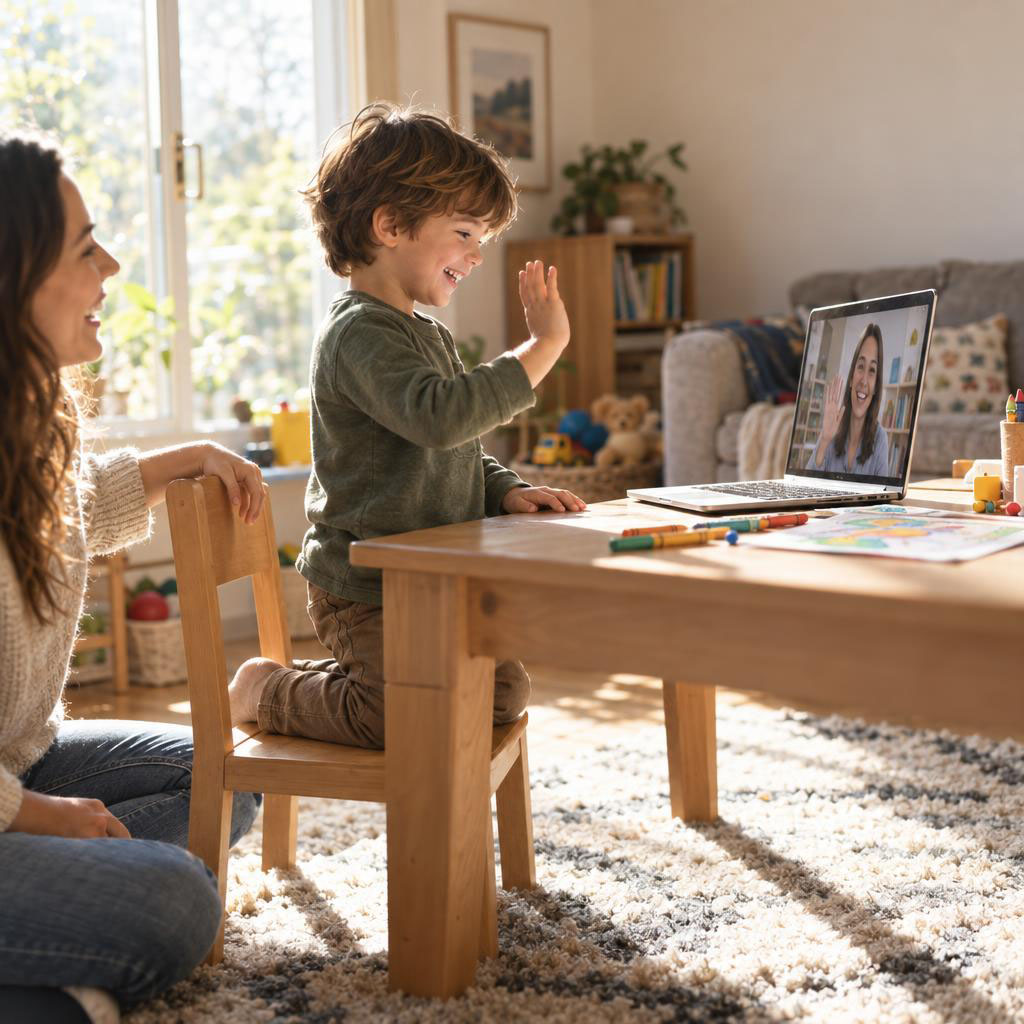
An online kindergarten curriculum covers the same core areas as a classroom kindergarten, early reading and phonics, beginning math, science, social studies, and social and emotional skills, delivered through short live lessons with a certified teacher and plenty of hands-on activity away from the screen. At the kindergarten level, a good curriculum is built around how five year olds actually learn: in brief, playful, concrete bursts rather than long lectures, with a parent or caregiver nearby as a learning coach. The aim is to build school readiness and a love of learning, not to rush academics.
Here is what an online kindergarten curriculum includes, how it is taught, and how to judge whether it fits your child.
Early literacy is the centerpiece. Kindergartners learn letter names and sounds, phonological awareness, which means hearing and playing with the sounds in words, sight words, and the beginnings of reading and writing simple words and sentences. In math, they count, recognize and write numbers, compare quantities, learn shapes and patterns, and start simple addition and subtraction with objects.
Beyond the basics, a full kindergarten curriculum includes science and social studies through themes like weather, plants and animals, families, and communities, usually explored with observation and hands-on projects. It also deliberately builds social and emotional skills such as taking turns, following directions, naming feelings, and working with others, along with fine motor skills like cutting, drawing, and holding a pencil. Good programs weave these together rather than teaching them as isolated subjects, so a single storybook lesson might touch reading, vocabulary, science content, and a discussion about feelings.
At this age, how the curriculum is delivered matters as much as what it covers. Strong online kindergartens use short, live, teacher-led lessons, often just fifteen to twenty-five minutes each, with movement breaks and hands-on activities in between. A typical day mixes a little screen time for direct teaching with a lot of offline work: manipulatives for counting, crayons and scissors, picture books, and play. Because five year olds cannot run a school day alone, a parent or caregiver acts as a learning coach, helping the child log in, gathering materials, and guiding independent practice.
The best programs keep lessons interactive and playful, with songs, games, stories, and chances to respond, because young children learn by doing and engaging rather than sitting still and listening. Small class sizes make that interaction possible, letting a teacher call on each child and check understanding. A curriculum that parks a kindergartner in front of hours of videos misses how children this age actually learn.
Online kindergarten is not the right choice for every family, and the honest way to decide is to consider both the child and the household. It works well when a parent, grandparent, or caregiver can be present during the school day, since kindergartners need an adult close by, and when the family wants smaller classes, more flexibility, or a gentler start than a large classroom. It can suit children who are easily overwhelmed by big, noisy rooms, families who travel, and households that want more involvement in early learning.
It is a weaker fit when no adult is available during the day, or when a child depends heavily on all-day contact with a group of peers and the family cannot add playdates, sports, or other activities. Most social concerns are manageable with small live classes and outside play, so the real question is usually whether the daily adult support is there.
Decades of early-childhood research point to a middle path between free play and formal drilling. A systematic review and meta-analysis by Skene and colleagues (2022), covering thirty-nine studies of children roughly one to eight years old, found that guided play, in which an adult sets a learning goal and gently steers a child's exploration, produced greater gains than direct instruction in areas like early math and the ability to switch between tasks. The practical takeaway for an online kindergarten curriculum is to favor a program that teaches through guided, playful activity with a teacher shaping the learning, rather than one that relies only on worksheets and lectures or, at the other extreme, leaves children to figure things out alone. The strongest early curricula sit in that guided middle, which is exactly where good live teaching lives.
Score Academy Online is a Cognia-accredited, NCAA-approved online private school serving grades K-12, with live certified teachers, an individualized education plan for every student, and synchronous elementary classes capped at four students. For kindergarten, that small cap and individual plan let a teacher meet each five year old at their level, keep lessons playful and interactive, and give parents clear guidance on the learning-coach role. Families can see how the K-12 curriculum is organized and review the school's Cognia and NCAA accreditation before enrolling.
Three formats let families choose the right structure for a young child: a self-paced option, a Flex option, and a live Synchronous option with the smallest classes. Per-course tuition for elementary courses runs from $415 for self-paced to $2,125 for live, and rolling enrollment means a kindergartner can start any time of year rather than waiting for fall. Parents can explore how the online elementary school is designed for the youngest learners, and the college outcomes page shows where the school's approach leads over time, including a 100% college acceptance rate.
What does an online kindergarten curriculum include? The core areas of any kindergarten: early reading and phonics, beginning math, science, and social studies, plus social and emotional and fine motor skills. A quality curriculum follows grade-level standards and teaches through short, playful, hands-on lessons rather than long screen sessions.
How many hours a day is online kindergarten? Only a few. Direct instruction for a kindergartner is brief, often one to two hours spread across short lessons, with the rest of the day for play, hands-on practice, and breaks. Flexible programs let families arrange that time to fit a young child's rhythm.
Do parents have to teach an online kindergarten curriculum? No. Certified teachers deliver the lessons; parents act as learning coaches, helping the child log in, gathering materials, and supervising practice. That role is more hands-on in kindergarten than in later grades but does not require the parent to plan or teach the curriculum.
Is online kindergarten too much screen time? It does not have to be. A well-designed program uses the screen only for short teaching sessions and balances it with offline reading, play, and hands-on work. Parents should look for a curriculum built around brief lessons and real materials, not hours of passive video.
Will my child be ready for first grade? A standards-aligned online kindergarten prepares children for first grade in reading, math, and the routines of school, and teachers track progress so any gaps are addressed early. Readiness depends on the child, but a solid curriculum and small classes give a strong start.
Can my child start kindergarten online mid-year? Yes, at schools with rolling enrollment. A child can begin in fall, winter, or spring, and teachers meet the student where they are, which makes a mid-year start straightforward at the kindergarten level.
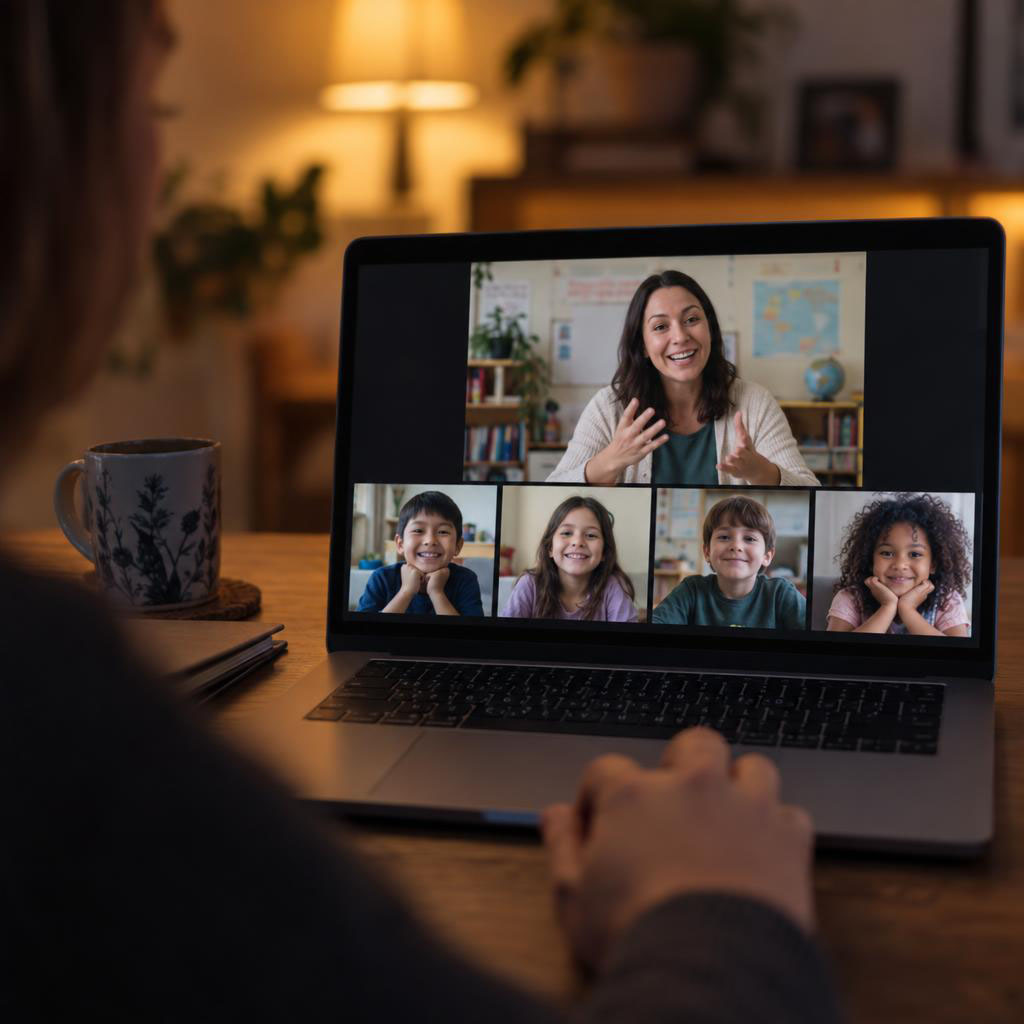
How to choose the best online elementary school: accreditation, live teachers, class size, curriculum, and support. Key criteria and questions to ask.
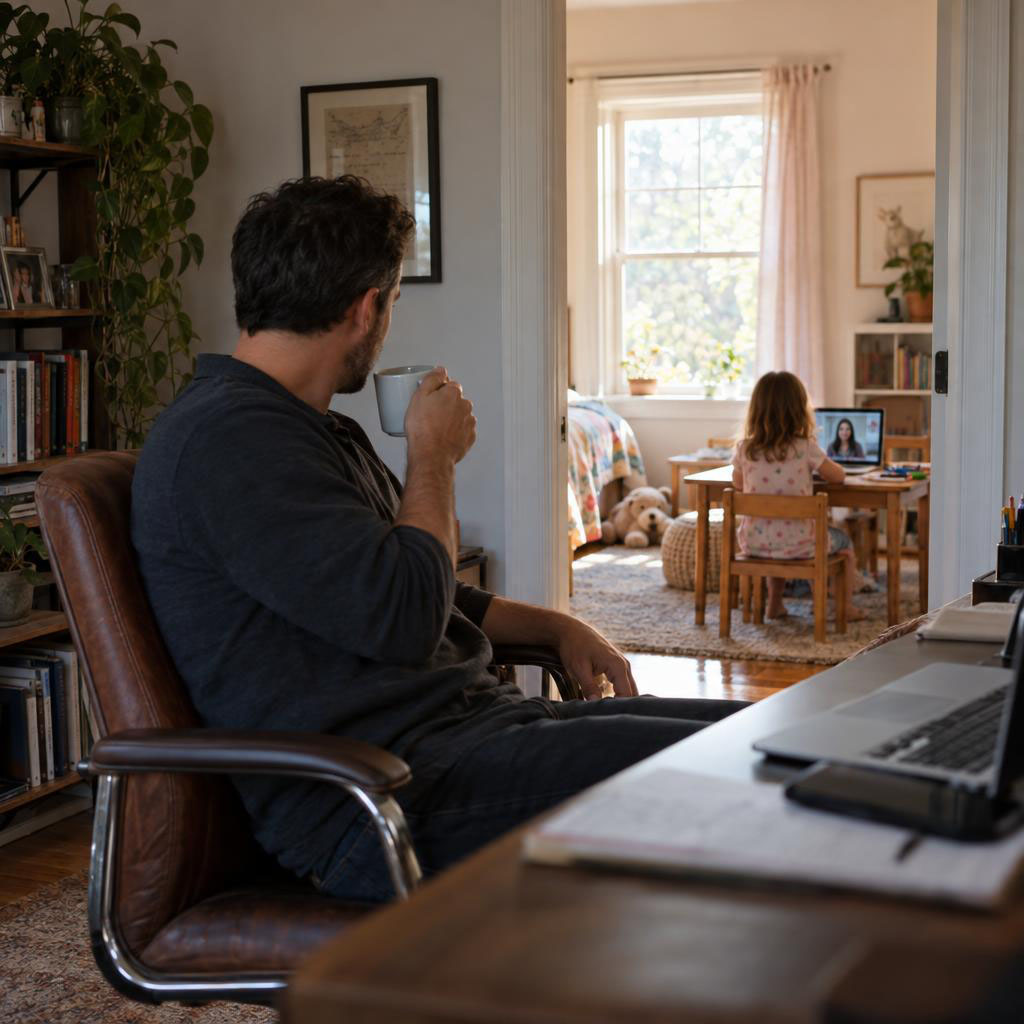
Online kindergarten vs homeschool: who teaches, how structured each is, cost, accreditation, and the parent's role. Here's how to choose for your 5-year-old.

Is my child ready for kindergarten? Here are the signs of readiness across academic, social, and self-care skills, plus what matters most and what doesn't.