+1 (561) 295-3504


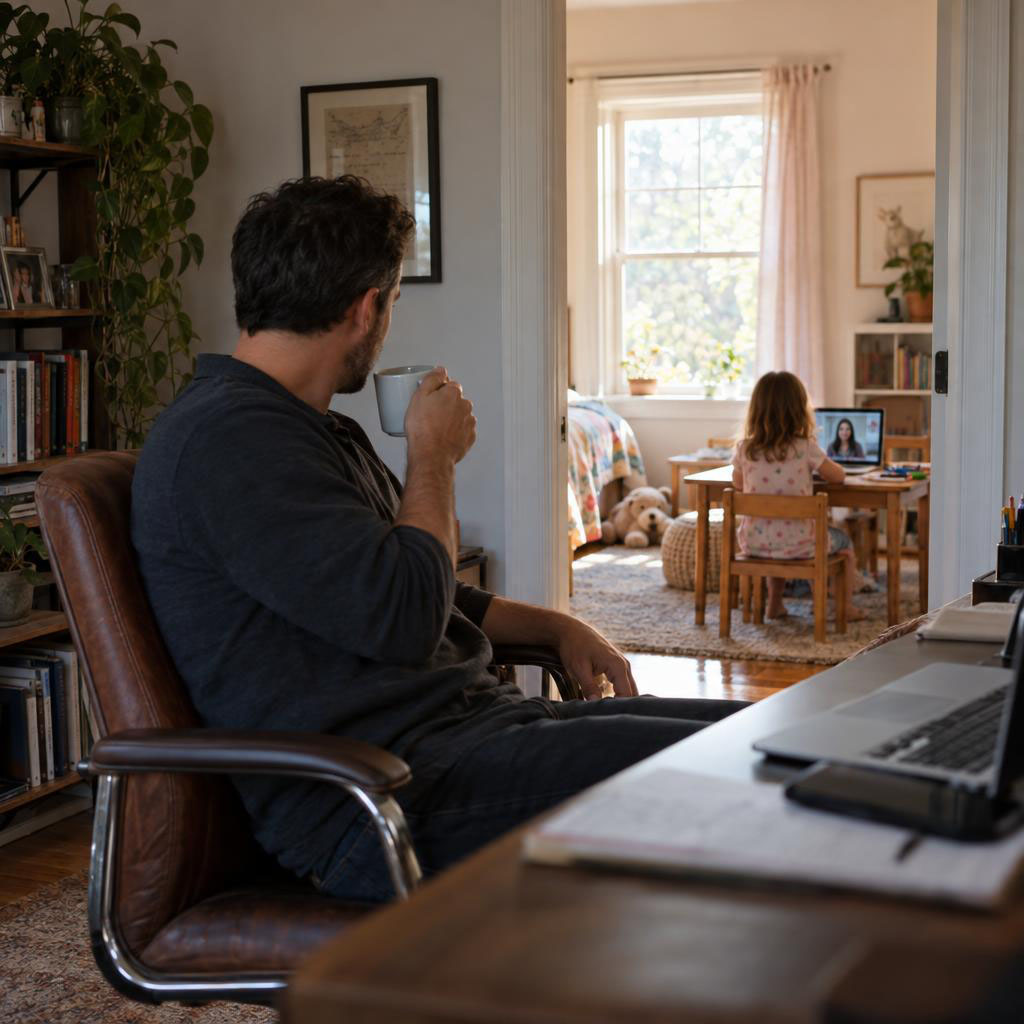
Choosing between online kindergarten and homeschooling comes down to one main difference: who does the teaching. In online kindergarten, a certified teacher delivers the lessons through live video and directs the curriculum, while a parent supports as a learning coach. In homeschooling, the parent is the teacher, choosing the curriculum, planning lessons, and leading instruction directly. Both keep a five year old learning at home, and both can work well, but they ask very different things of a parent's time and expertise. The online kindergarten versus homeschool decision usually hinges on how much a family wants to lead teaching themselves.
Here is how the two compare, which tends to fit which family, and what both approaches share.
Who teaches is the core split. Online kindergarten provides certified teachers and a ready-made, standards-aligned curriculum, and the parent facilitates. Homeschooling puts the parent in charge of teaching and curriculum choices, with as much freedom, and as much responsibility, as that implies.
Structure and accountability differ too. An accredited online kindergarten runs on a schedule, tracks progress, and issues records through a recognized school, which makes moving to another school later straightforward. Homeschooling is governed by state law, and requirements range from minimal to detailed depending on where a family lives; parents keep their own records and often handle any required assessments.
Cost and time trade off against each other. Homeschooling can cost little beyond curriculum materials but demands a large amount of a parent's time and planning. Online kindergarten charges tuition but hands the teaching, planning, and record-keeping to the school, which frees the parent's time. Which is the better deal depends on how a family values money against hours and expertise.
Online kindergarten tends to fit families who want the structure, accountability, and certified teaching of a school without a classroom commute, and who would rather coach than teach. It suits working parents who cannot plan and deliver lessons themselves, parents who feel unsure about teaching early reading or math, and families who want the option to transfer to another school smoothly.
Homeschooling tends to fit families who want full control over what and how their child learns, who have the time and confidence to teach, and who value the flexibility to build their own approach. It appeals to parents who enjoy planning learning and want to tailor every part of the day. Many families also blend the two over time, and the right answer can change as a child grows. Either way, an adult needs to be present during the day, since kindergartners cannot learn independently.
Socialization is the question parents raise most about both online kindergarten and homeschooling, and it is a fair one, since a classroom offers built-in daily contact with peers. The reassuring reality is that a child's social world is not limited to school. In both models, families build social time through sports, clubs, library programs, faith communities, playgroups, and time with neighbors and relatives, and many areas have active homeschool and online-school networks that organize group activities.
The two paths differ slightly in the social contact that comes with school itself. An online kindergarten with small live classes gives children regular, structured interaction with classmates and a teacher, including group discussion and activities. Homeschooling has no built-in class group, so the family arranges all social contact intentionally. Neither is automatically better for socialization; what matters is that parents plan for it. A child in either model can be highly social, and a small online class often draws out a shy child more than a room of twenty-five.
Whichever path a family picks, the learning that happens at home carries real weight, and reading together is one of the most valuable things a parent can do. A six-year longitudinal study by Shahaeian and colleagues (2018), drawing on data from more than 4,700 children, found that frequent early shared reading between parents and young children predicted stronger language and early academic skills and, in turn, better school achievement years later, over and above family income and other home activities. The takeaway is that neither online kindergarten nor homeschooling succeeds on curriculum alone: a home where an adult reads with the child, talks with them, and supports daily learning gives a five year old an advantage in either model. Choosing between the two matters less than committing to that home support once the choice is made.
Score Academy Online is a Cognia-accredited, NCAA-approved online private school serving grades K-12, offering families the certified-teacher path with live instruction, an individualized education plan for every student, and synchronous elementary classes capped at four students. For families leaning toward online kindergarten over homeschooling, that means a teacher plans and delivers the curriculum while the parent coaches, and the small cap keeps instruction personal. Families can see how the K-12 curriculum is organized and review the school's Cognia and NCAA accreditation, which is what makes records transferable to another school later.
Three formats let families choose their level of structure: a self-paced option, a Flex option, and a live Synchronous option with the smallest classes. Per-course tuition for elementary courses runs from $415 for self-paced to $2,125 for live, and rolling enrollment means a kindergartner can start any time of year. Parents weighing their options can explore how the online elementary school works and review the school choice resources for families comparing paths.
What is the difference between online kindergarten and homeschooling? In online kindergarten, certified teachers deliver a set curriculum and the parent acts as a coach. In homeschooling, the parent is the teacher and chooses the curriculum. Online kindergarten offers structure and accountability through a school; homeschooling offers full control and flexibility.
Is online kindergarten considered homeschooling? Not usually. A child enrolled in an accredited online school is enrolled in a school, with its teachers, curriculum, and records, whereas homeschooling means the family directs the education themselves under state homeschool law. The distinction can affect record-keeping and legal requirements.
Which is cheaper, online kindergarten or homeschooling? Homeschooling generally costs less in money but far more in a parent's time, since the parent teaches. Online kindergarten charges tuition but provides the teachers, curriculum, and record-keeping, saving the parent's time and effort.
Do I need to be a good teacher to homeschool kindergarten? You do not need credentials, but you do need time, patience, and willingness to plan and teach. Parents who feel unsure about teaching early reading or math sometimes prefer online kindergarten, where a certified teacher handles instruction.
Can I switch from homeschooling to online school later? Yes. Many families move between approaches as circumstances change. Enrolling in an accredited online school provides records and grade-level placement, which can make transitions to other schools smoother than unaccredited homeschooling.
Does my child still need me around in online kindergarten? Yes. A kindergartner cannot manage a school day alone, so a parent or caregiver serves as a learning coach, helping the child log in, gathering materials, and supervising practice, even though the teacher leads the lessons. The role is real but manageable, and it lightens noticeably as the child grows older.

How to choose the best online elementary school: accreditation, live teachers, class size, curriculum, and support. Key criteria and questions to ask.

Is my child ready for kindergarten? Here are the signs of readiness across academic, social, and self-care skills, plus what matters most and what doesn't.
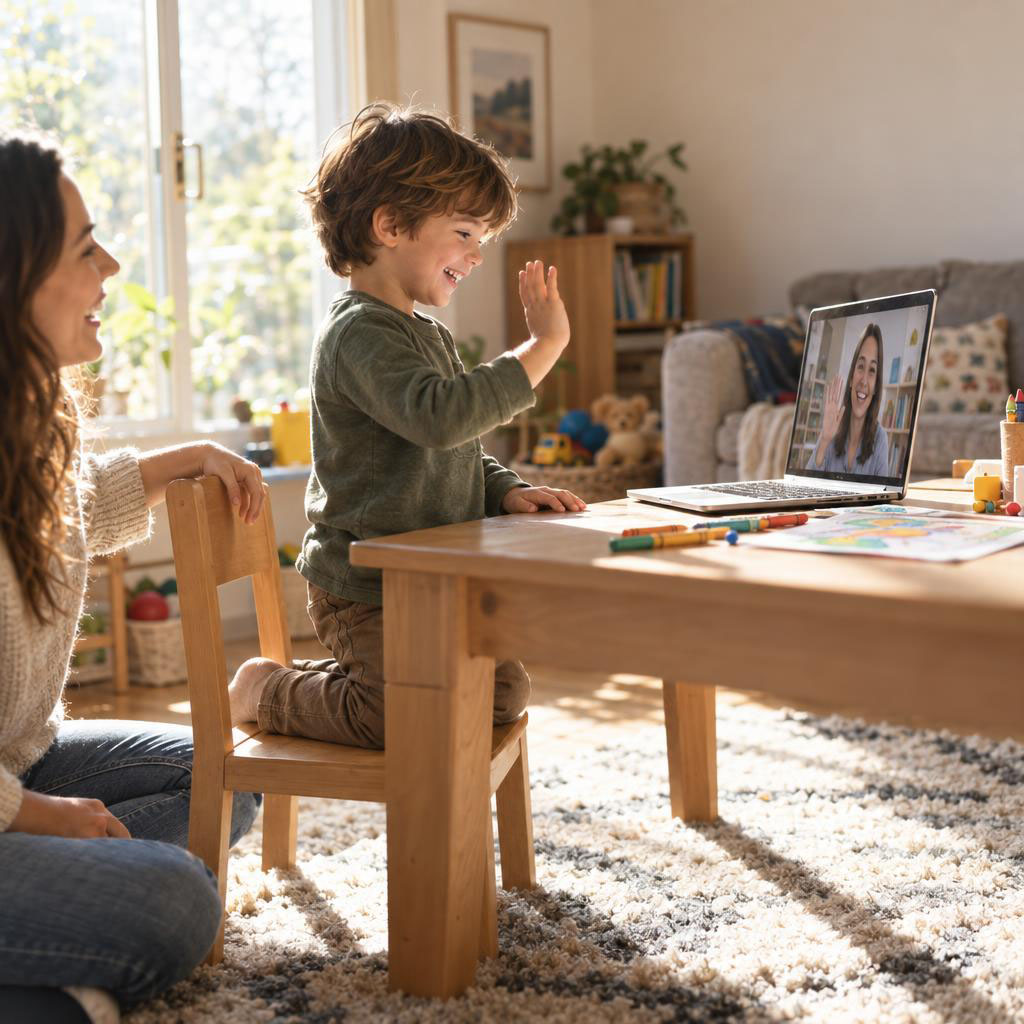
An online kindergarten curriculum covers early reading, math, science, and social skills through short live lessons and play. Here's what 5-year-olds learn.