+1 (561) 295-3504



The Utah Fits All Scholarship is Utah's education savings account program, open to every K-12 student who lives in the state regardless of income. Students attending private schools receive $8,000 per year, while home-based students receive $4,000 for ages 5 to 11 and $6,000 for ages 12 to 18. Families spend the funds on approved expenses such as tuition, curriculum, tutoring, and educational technology through Odyssey, the program manager. The application window for 2026-27 closed April 30, 2026, and the program continues operating while the Utah Supreme Court reviews a legal challenge.
Total funding has grown from $80 million in the program's first year to $120 million for 2026-27, which means thousands more students can participate. Here is how the program works and what families should plan for.
Every applicant selects one of two tracks, and the choice cannot be changed after applying. The private school track pays $8,000 per year toward a full-time, tuition-bearing school where the student receives the majority of academic instruction, including approved microschools on Odyssey's provider list. The home-based track pays $4,000 per year for students ages 5 to 11 and $6,000 for ages 12 to 18, and it gives families wide latitude to assemble their own program from curriculum, courses, tutors, and materials.
Consider a family with an 8-year-old and a 14-year-old learning at home: the household directs $10,000 per year across the two students, enough for core curriculum, live online courses, and regular tutoring. The same two students enrolled at an approved private school would bring $16,000.
Lawmakers tightened spending rules during the 2025 session. Certain purchases such as ski passes, furniture, and musical instruments no longer qualify, and spending on extracurricular activities and physical education is capped at 20 percent of the scholarship. Scholarship students cannot be enrolled full-time in a public school at the same time, though beginning in 2026-27 they may participate in public school athletics and extracurricular activities on the same terms as homeschool and private school students.
Watch the spring window. For 2026-27, renewals opened March 1, new applications opened April 1, and the window closed April 30. Awards are issued by May 31 under Utah code, and the scholarship year takes effect July 1. Families who missed the window must wait for the next cycle.
Create an Odyssey account. Odyssey has managed the program since May 2025 and handles applications, approvals, the spending marketplace, and payments. Use an email address you check regularly, because award notices and verification requests arrive there.
Pick your track deliberately. One application per student stands for the year. A family that files under the private school track cannot change that application to home-based later, or the reverse, and duplicate applications are not accepted.
Gather documents. Expect to provide proof of Utah residency such as a utility bill or mortgage statement, the student's birth certificate, Social Security numbers for parent and student, and income documentation if you are applying under a priority category.
Renew every year. Awards are not automatic. Current recipients receive first priority in each cycle, but only if they submit a renewal application on time.
The legislature created the scholarship in 2023 and funded the first year, 2024-25, at $80 million, which supported roughly 10,000 students. More than 23,000 families applied for 2025-26, and lawmakers responded with $20 million in new ongoing funding for that year and another $20 million for the year after, bringing the 2026-27 total to $120 million. Renewing families receive first priority, so early participants who stay eligible keep their place as the program expands.
In April 2025, a state district court judge ruled the program unconstitutional in a lawsuit brought by the Utah Education Association. Days later, the court and all parties agreed the program would continue uninterrupted while the state appeals to the Utah Supreme Court. That is where things stand: scholarships are being awarded and spent as normal, and families can apply and plan, but the final word belongs to the state's high court. Families should follow the case and keep a backup plan in mind until the ruling arrives.
The scholarship's greatest strength, flexibility, is also its greatest demand on families, especially on the home-based track where parents assemble the learning plan themselves. Research on students learning outside conventional classrooms points to what separates success from struggle. A study of 2,652 secondary students by Pelikan and colleagues (2021) found that students who felt competent in distance learning used self-regulation strategies like planning and time management far more often, stayed more intrinsically motivated, and procrastinated less than peers who felt less capable. The practical lesson for scholarship families: structure is not the enemy of flexibility. Scheduled lessons, clear weekly goals, and instruction from real teachers help students build the competence that keeps self-directed learning on track.
Score Academy Online is a Cognia-accredited, NCAA-approved online private school serving grades K-12 with live teachers, structured courses, and per-course enrollment. Score Academy Online is not currently on Odyssey's approved provider list for the Utah Fits All Scholarship, and families should verify current provider options directly through the Odyssey platform. Score Academy Online is pursuing approved-provider status across active school choice states.
Utah families exploring structured online learning can still enroll directly: per-course tuition starts at $415 for elementary and $535 for middle and high school asynchronous courses, which fits comfortably within many family budgets even without scholarship funds. Parents can review the K-12 curriculum, explore elementary programs, or compare school choice funding across states. Enrollment at Score Academy Online is rolling, so students can begin any time.
Program rules, award amounts, court decisions, and timelines change. Confirm current requirements with Odyssey and the Utah State Board of Education before making final enrollment decisions.
How much is the Utah Fits All Scholarship? Private school students receive $8,000 per year. Home-based students receive $4,000 per year for ages 5 to 11 and $6,000 for ages 12 to 18.
Who is eligible? Any K-12 student who is a Utah resident may apply, regardless of household income. Renewing recipients receive first priority when demand exceeds funding.
Is the program still operating during the lawsuit? Yes. A district court ruled against the program in April 2025, but it continues uninterrupted while the Utah Supreme Court considers the appeal. Families should watch for the final decision.
When can I apply for the next school year? The 2026-27 window closed April 30, 2026. Based on the current cycle, renewals open March 1 and new applications open April 1, with the window closing April 30. Check Odyssey for confirmed dates each year.
Can scholarship students play public school sports? Yes, beginning in 2026-27. Scholarship students may participate in public school athletics and extracurricular activities under the same rules that apply to homeschool and private school students.
What can the funds buy? Private school tuition, microschool fees, curriculum, tutoring, and educational technology, among other approved expenses. Extracurricular and physical education spending is capped at 20 percent, and items like ski passes, furniture, and musical instruments are excluded.

How to choose the best online elementary school: accreditation, live teachers, class size, curriculum, and support. Key criteria and questions to ask.
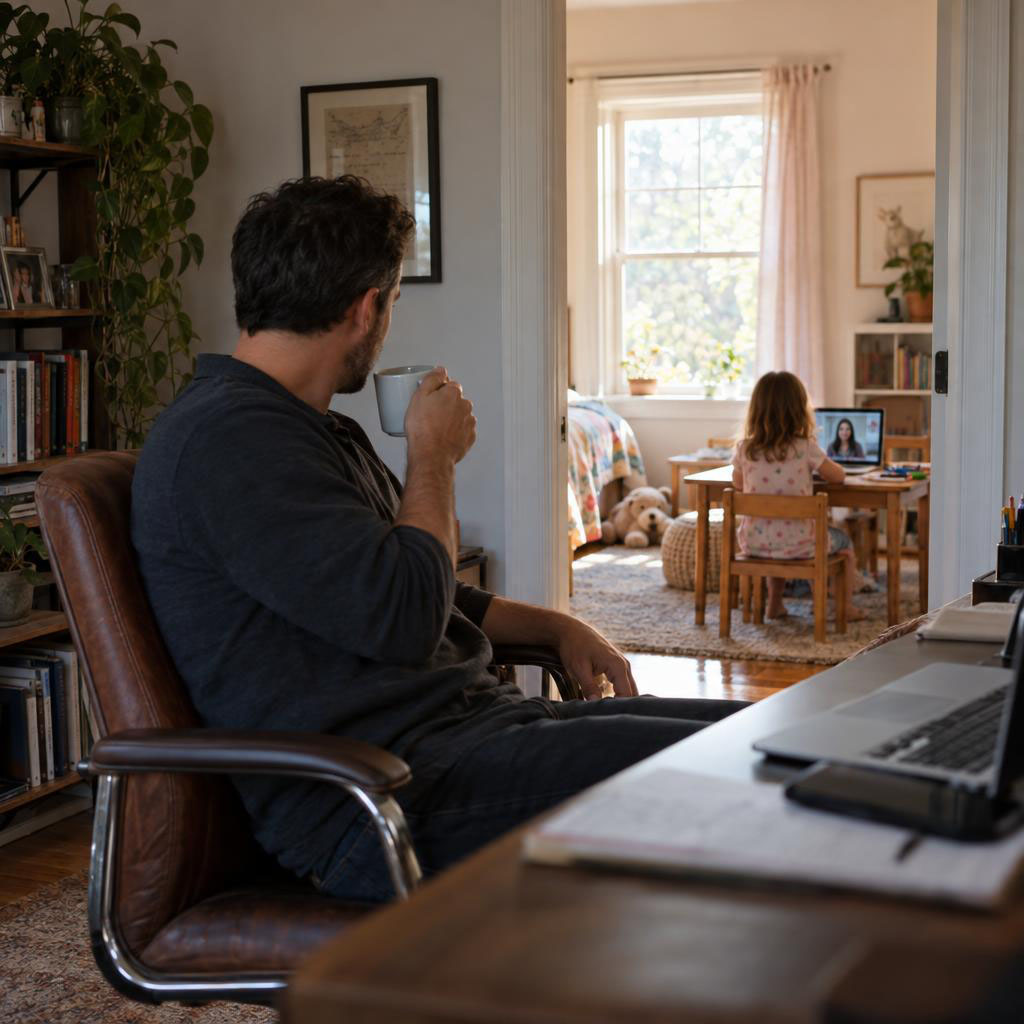
Online kindergarten vs homeschool: who teaches, how structured each is, cost, accreditation, and the parent's role. Here's how to choose for your 5-year-old.

Is my child ready for kindergarten? Here are the signs of readiness across academic, social, and self-care skills, plus what matters most and what doesn't.