+1 (561) 295-3504



Accredited online schools in Missouri give families flexibility while meeting state education requirements. Missouri classifies home education as a private school with relatively minimal oversight, requiring 1,000 hours of instruction annually (600 in core subjects). Families seeking structured virtual learning with teacher support, official transcripts, and recognized diplomas have multiple options, from tuition-free public virtual schools through the MOCAP program to private online academies and scholarship assistance through MOScholars.
Whether you're exploring online education for a middle schooler who needs more individualized attention or a high schooler preparing for college, understanding Missouri's virtual learning landscape helps you choose the right fit for your family.
Missouri maintains a relatively hands-off approach to home education. The state's compulsory attendance law applies to children between ages seven and seventeen, and families must provide 1,000 hours of instruction during each school year (July 1 through June 30). Of those hours, at least 600 must cover core subjects: reading, language arts, mathematics, social studies, and science. Additionally, 400 of the core subject hours must occur at a regular homeschool location.
Unlike many states, Missouri doesn't require families to file a notice of intent with school districts or the state. However, if you're withdrawing a child from public school, you should send a courtesy notification to the school explaining your decision to homeschool. This simple letter prevents truancy concerns and clarifies your child's educational status.
Missouri law requires homeschooling families to maintain specific records, though these don't need to be submitted to any government agency. Required documentation includes a plan book or diary showing subjects taught and activities, samples of the child's academic work, and records of academic progress evaluations. These records become particularly important for high schoolers, as families need transcripts for college applications.
While this flexibility works well for self-directed families, many parents prefer the structure, accountability, and recognized credentials that come with enrolling in an accredited online school rather than managing independent homeschooling.
Missouri offers several tuition-free virtual public schools for families seeking online education. The Missouri Course Access and Virtual School Program (MOCAP), established in 2018, allows all Missouri students to access virtual courses through their home school district or charter school at no cost. Through MOCAP, students can take individual courses to supplement their education or enroll full-time in a virtual program.
Missouri Virtual Academy (MOVA), operated through the Grandview R-2 School District, serves students in grades K through 12 statewide. The program has grown from fewer than 100 students to over 4,000 since its founding. MOVA offers NCAA-approved courses and fast-track graduation options for high schoolers. Missouri Digital Academy (MODA) provides another full-time virtual option with career-focused programming.
Missouri Connections Academy serves K through 12 students and is accredited by Cognia. The program combines state-certified teachers with a flexible curriculum that allows families to build daily schedules around individual learning needs. Launch Virtual Learning, operated through Springfield Public Schools, partners with districts across the state and offers over 500 courses with both synchronous (live) and asynchronous options.
These public virtual schools follow Missouri academic standards and require students to complete state assessments. They work well for independent learners who can manage their own schedules, though the large class sizes and primarily self-paced format may not suit every student. Families whose children need more direct teacher interaction or struggle with self-direction often find that private online schools offer the structure and support they need.
Private online schools operating in Missouri provide alternatives to public virtual programs, often with smaller class sizes and more personalized instruction. When evaluating any online school, accreditation matters significantly, particularly for students planning to attend college or transfer credits.
The Missouri Department of Elementary and Secondary Education recognizes accreditation from major agencies including Cognia (formerly AdvancED), the North Central Association, and regional accreditors. Schools holding these credentials meet established standards for curriculum quality, teacher qualifications, and student outcomes. This recognition ensures transcripts and diplomas carry weight with colleges and employers.
For Missouri families considering nationally available private online schools, programs like Score Academy Online offer an alternative to large public virtual schools. With live, teacher-led classes limited to six students and individualized education plans for every student, this Cognia-accredited and NCAA-approved program serves grades 6 through 12 with the kind of personalized attention that's often missing from self-paced virtual programs.
Research supports the value of this approach. A study published in Education and Information Technologies found that engagement in synchronous online learning is enhanced when instructors and peers interact frequently, and that interactive activities like group discussions and peer feedback are particularly effective strategies for keeping students engaged. This finding underscores why live, small-class instruction can outperform large self-paced programs for many learners.
Missouri's MOScholars program provides scholarship assistance for eligible families choosing private education. This program, administered by the State Treasurer's Office, offers funds that can cover private school tuition along with other educational expenses like curriculum materials, transportation, technology, tutoring, and therapeutic services.
Eligibility for MOScholars currently requires students to have an Individualized Education Plan (IEP) or come from families earning at or below 300% of the federal free and reduced lunch income guidelines. For the 2025-2026 school year, a family of four with income up to approximately $178,000 would meet the income threshold.
The program has expanded significantly, with over 6,400 scholarships awarded in the current school year. Missouri's 2025 state budget included $50 million to support the program, allowing it to clear waitlists and serve more students. Scholarship funds can be used at qualifying private schools, including some online options.
It's worth noting that MOScholars differs from direct state voucher programs found in some other states. The program originated as a tax-credit scholarship initiative, though recent state appropriations have expanded its scope. Families interested in applying should contact approved Educational Assistance Organizations (EAOs) that administer the scholarships and connect students with funding.
Not all online schools deliver education the same way, and understanding these differences helps families choose programs that match their students' learning needs.
Self-paced virtual schools allow students to work through curriculum on their own schedule, often with limited live interaction with teachers. This model suits independent learners who thrive with flexibility but can leave struggling students without adequate support. Many public virtual schools in Missouri operate primarily in this format.
Synchronous (live) online schools conduct classes in real-time, with teachers and students interacting together. This approach mirrors traditional classroom dynamics while offering the flexibility of learning from home. Students benefit from immediate feedback, real-time questions, and the accountability that comes from scheduled class meetings.
When comparing options, families should ask about class sizes, teacher credentials, available support services, and how the school handles students who fall behind. A school that caps classes at six students can offer dramatically different support than one where a single teacher oversees dozens of online learners. The difference often shows up in student outcomes, particularly for those who need more individualized attention.
Consider also whether the school is NCAA-approved if your student hopes to play college athletics. Accredited online high schools with NCAA approval ensure that coursework counts toward eligibility requirements.
Choosing an online school involves weighing several factors beyond academics. Think about how your student learns best. Some children excel with self-direction, while others need more structure and teacher interaction. Consider your family's schedule and how much parental involvement you can provide. Self-paced programs often require more parent oversight, while schools with live classes may offer more built-in accountability.
Review the school's track record with college admissions and transcript acceptance. Colleges generally prefer transcripts from accredited institutions, and the differences between online school and traditional homeschooling matter when it comes to how admissions officers evaluate applications.
Imagine a family with a tenth grader who's a competitive gymnast traveling regularly for training and competitions. An online school with flexible scheduling could maintain academic consistency while accommodating an intensive athletic schedule. Or consider a student who struggled with anxiety in large traditional classrooms. An online program with small class sizes might provide the academic rigor they need while reducing social stressors.
Missouri's MOCAP program allows students to take individual virtual courses while remaining enrolled in their home district. This hybrid approach works well for students who want the best of both worlds, perhaps taking advanced courses not offered locally while staying connected to their neighborhood school for extracurriculars and social opportunities.
Switching to online school requires planning, whether you're making the move mid-year or at the start of a new academic year. Request official transcripts from the previous school, understand how credits will transfer, and communicate with the new school about any gaps in learning or special needs.
For students with IEPs, the transition involves additional considerations. Full-time MOCAP virtual providers serve as the student's school under the Individuals with Disabilities Education Act and are responsible for providing required services. Families should work with both the current and receiving schools to ensure appropriate supports remain in place.
Missouri's virtual education landscape continues to expand, with more options and greater financial support becoming available. Researching programs now, even if you're not ready to make an immediate change, positions your family to take advantage of opportunities that might benefit your student.
The best online school for your Missouri family depends on your specific circumstances: your student's learning style, your budget, your goals for their education, and the level of support they need. Whether you choose a tuition-free public virtual school through MOCAP, use MOScholars assistance toward private tuition, or pay directly for a program offering exactly what your student needs, Missouri provides the flexibility to make education work for your family.
Are online schools in Missouri accredited? Many online schools serving Missouri students hold accreditation from recognized agencies like Cognia or regional accreditors. Public virtual schools through MOCAP are accredited through their sponsoring districts. Private online schools may hold national or regional accreditation. Always verify a school's accreditation status directly, as this affects transcript acceptance and college admissions.
Can I use MOScholars for online private school? Yes, MOScholars funds can be used at qualifying private schools, including some online options. The program covers tuition and fees as well as other educational expenses like curriculum materials, technology, and tutoring. Eligibility requires an IEP or meeting income guidelines (300% of the federal free and reduced lunch threshold).
What are the requirements for homeschooling in Missouri? Missouri requires 1,000 hours of instruction annually, with at least 600 hours in core subjects (reading, language arts, math, social studies, and science). Of those 600 hours, 400 must occur at the regular homeschool location. Parents must maintain records including a plan book, work samples, and progress evaluations, but don't need to file with the state.
How does MOCAP work in Missouri? The Missouri Course Access and Virtual School Program allows all Missouri students to access virtual courses through their home district or charter school at no cost. Students can take individual courses to supplement their education or enroll full-time in a virtual program. The host district enrolls the student and provides state-mandated services.
What support is available for Missouri students with special needs in online school? Students with IEPs can participate in MOCAP virtual programs, with the host district serving as the student's school under IDEA and providing required services. MOScholars prioritizes students with IEPs for scholarship funding. Private online schools vary in their special education support, so families should verify available accommodations before enrolling.
Do online school students in Missouri have to take state tests? Public virtual school students through MOCAP must complete state assessments. Homeschool students are not required to take standardized tests, though many families opt to participate for progress monitoring or college preparation. Missouri allows virtual administration of state testing for students enrolled in approved online programs.
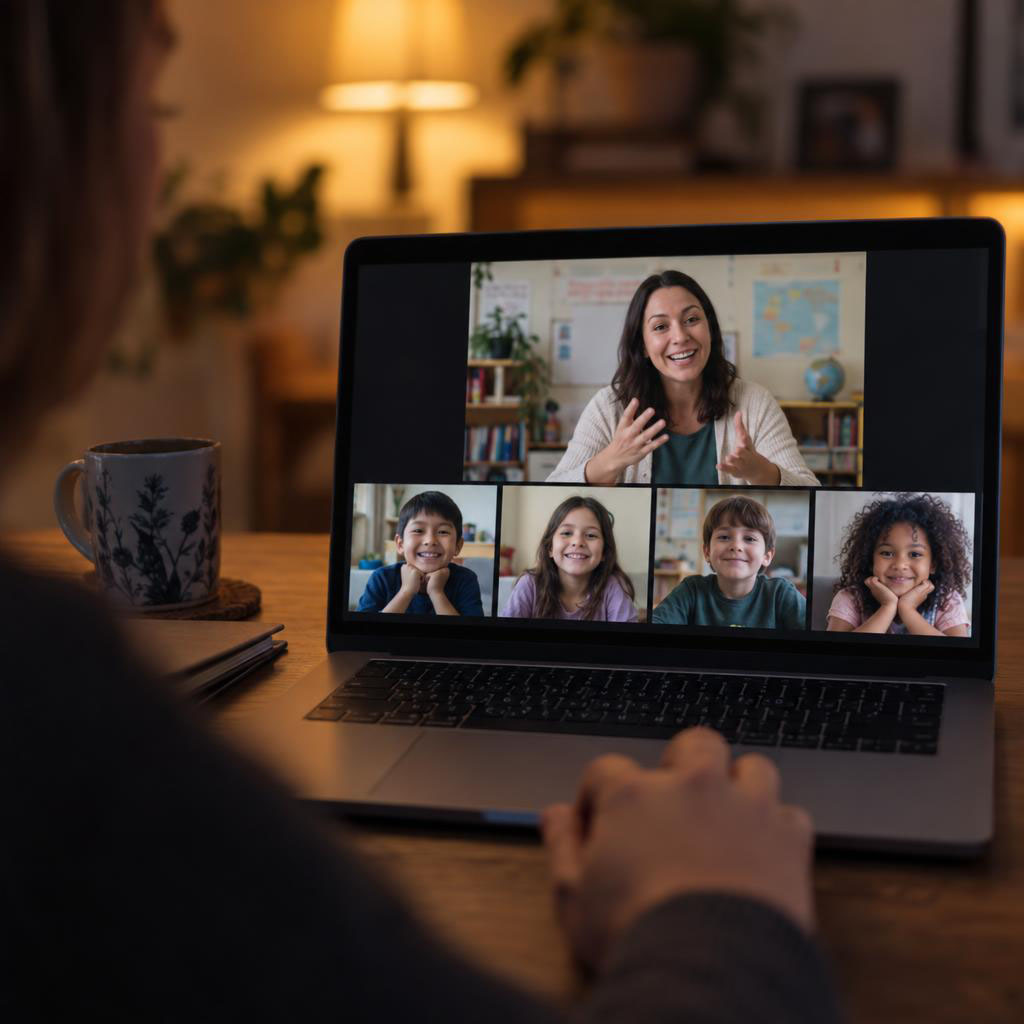
How to choose the best online elementary school: accreditation, live teachers, class size, curriculum, and support. Key criteria and questions to ask.
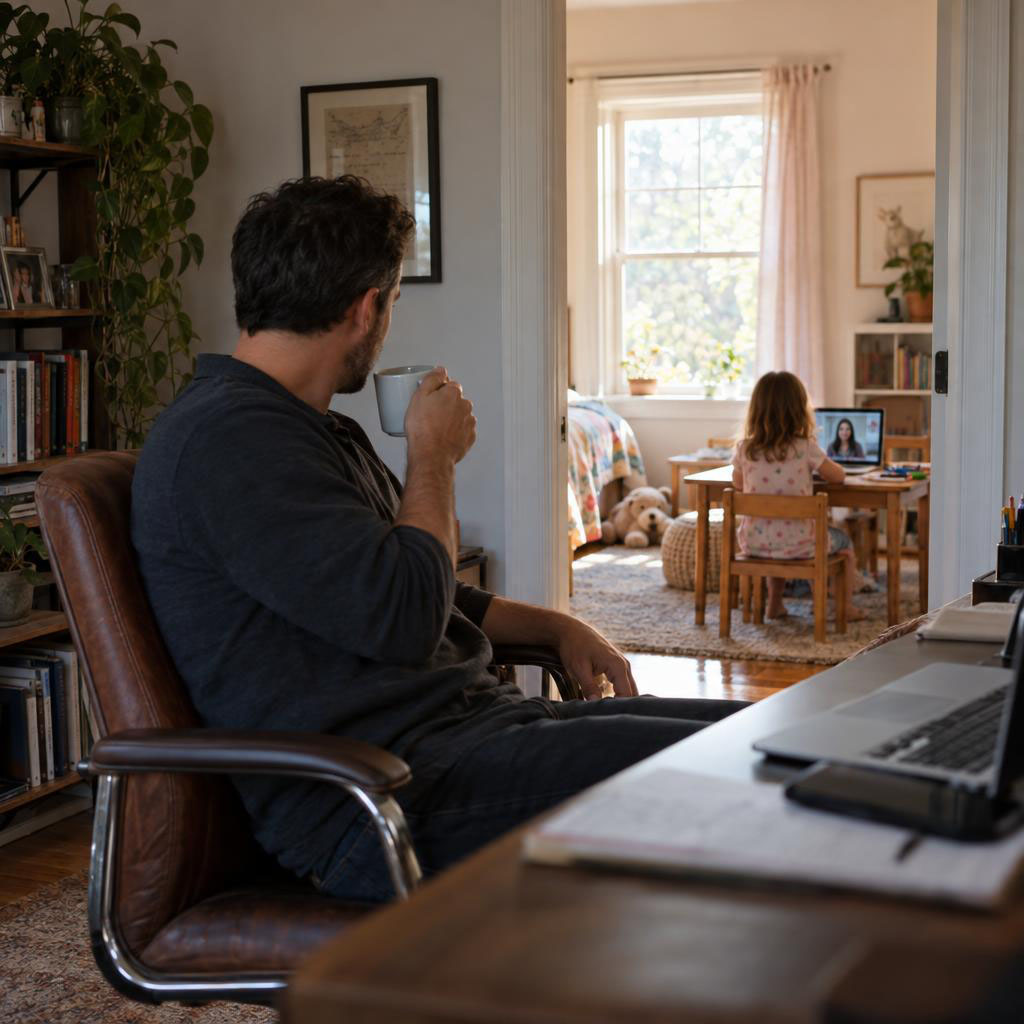
Online kindergarten vs homeschool: who teaches, how structured each is, cost, accreditation, and the parent's role. Here's how to choose for your 5-year-old.

Is my child ready for kindergarten? Here are the signs of readiness across academic, social, and self-care skills, plus what matters most and what doesn't.