+1 (561) 295-3504


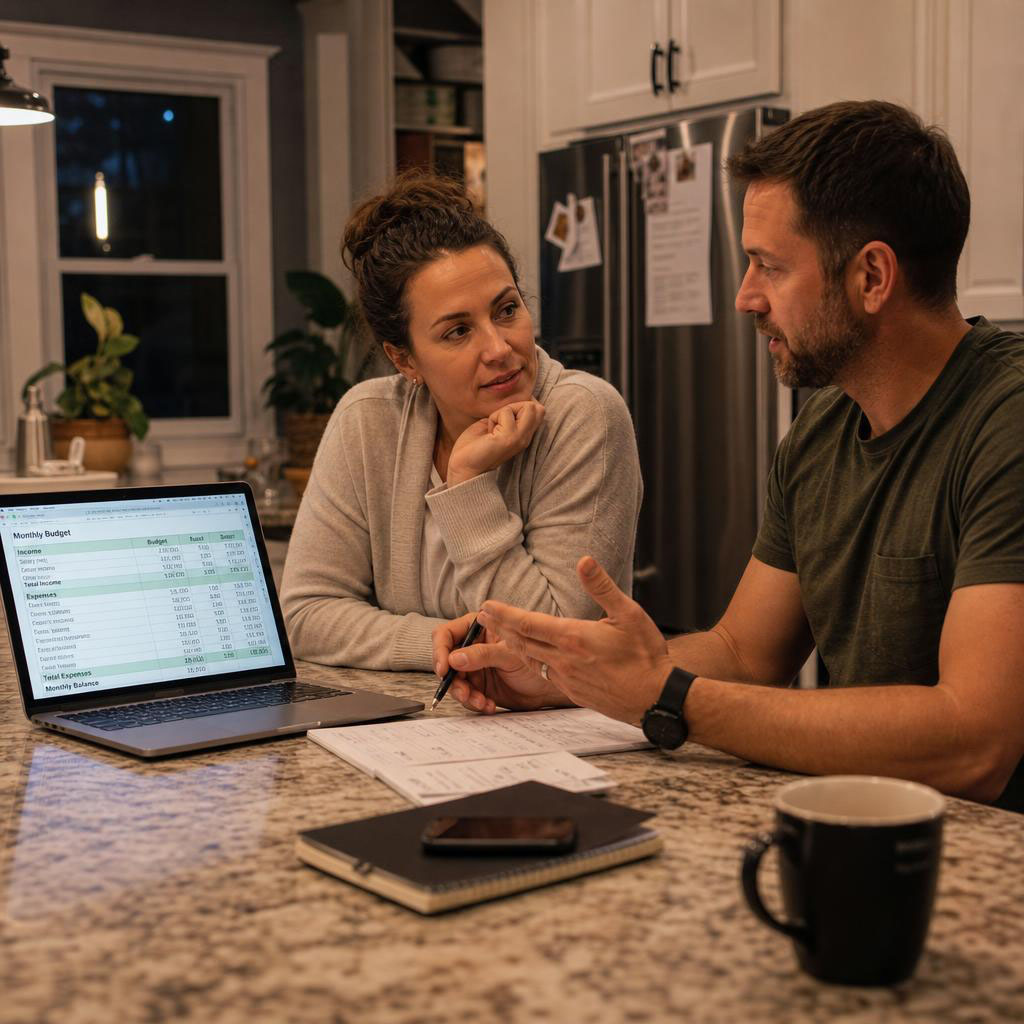
The cost of online school varies widely depending on the type of program. Public virtual schools are tuition-free but funded by state tax dollars, while private online schools typically charge between $5,000 and $20,000 or more per year. For the 2025-26 school year, the average private online school tuition runs roughly $10,000 to $11,000 annually, though premium programs with smaller class sizes, live instruction, and individualized support often cost more. Understanding what drives these price differences helps parents compare programs accurately and find the right fit for their family's budget and their child's academic needs.
Online schooling falls into three broad categories, and each comes with a different price structure.
Public virtual schools are state-funded programs that charge no tuition. Families in most states can enroll in programs like Connections Academy or state-run virtual schools at no direct cost. The trade-off is that these schools must follow state curriculum requirements, often have large class sizes (with student-to-teacher ratios reaching 40:1 or higher), and may offer limited individualized attention. Families should also plan for out-of-pocket expenses for supplies, printers, and internet access, though these costs are minimal.
Budget private online schools generally charge between $5,000 and $8,000 per year. Programs like K12 Private Academy fall into this range, with tuition around $7,000 annually. These schools offer accredited curricula with some teacher interaction, and many use a mix of self-paced coursework and scheduled class sessions.
Premium private online schools typically charge between $10,000 and $20,000 or more per year. These programs, including Score Academy Online, invest in smaller class sizes, live teacher-led instruction, and personalized learning plans. Score Academy's tuition of approximately $15,000 per year reflects its maximum class size of six students, Cognia accreditation, and individualized education plans for every student.
The cost of an online school isn't arbitrary. Several specific factors determine where a program falls on the pricing spectrum.
This is one of the biggest cost drivers. A public virtual school might have one teacher responsible for 40 or more students, while a premium private school like Score Academy caps classes at six. Research from the PISA 2018 database, published in Frontiers in Psychology, found that class size has significant effects on student outcomes, with smaller classes linked to stronger academic performance. Smaller ratios require more teachers per student, which raises the school's operating costs and, by extension, tuition.
Self-paced programs, where students work through pre-recorded lessons and digital content on their own schedule, cost less to operate than synchronous, live-instruction models. Schools that offer real-time classes with qualified teachers providing immediate feedback invest more in staffing and scheduling infrastructure. For families seeking the accountability and engagement of a traditional classroom environment, live instruction is often worth the added cost.
Earning and maintaining regional accreditation from organizations like Cognia requires ongoing investment in curriculum development, teacher qualifications, and institutional review. Schools with NCAA approval must also meet specific academic standards that satisfy college athletic eligibility requirements. Both of these credentials add value for families, but they also add to a school's operating expenses.
Programs that create personalized education plans, assign dedicated academic advisors, and provide one-on-one attention cost more to run than those using a standardized, one-size-fits-all approach. A student who needs modified pacing, targeted support in a specific subject, or enrichment beyond the standard curriculum benefits from this kind of planning, but it requires staff time and expertise that factor into tuition.
For the 2025-26 school year, the national average tuition at private schools in the United States sits around $15,000 per year, according to data from Private School Review. However, that number masks significant variation. Nonsectarian private high schools average roughly $25,000 per year, while elite boarding schools in the Northeast can exceed $70,000. S&P Global Ratings recently reported that average day-school tuition at the institutions it tracks has reached over $49,000, a 7.4% increase from the prior year.
When parents compare these figures to online private school tuition, the cost advantage becomes clear. A program like Score Academy, at approximately $15,000 per year, delivers small-class live instruction and individualized education plans at a fraction of what many brick-and-mortar private schools charge. The savings come from eliminating expenses tied to physical facilities, transportation, cafeterias, and athletic infrastructure, though academic quality and teacher qualifications remain comparable or, in some cases, stronger.
Families should also account for the hidden costs that come with traditional schooling: uniforms, lunch fees, transportation, fundraising expectations, and activity fees that can add thousands to the annual total.
Public virtual schools don't charge tuition, and for many families, that makes them the obvious choice. But it's worth examining what "free" actually includes and what it doesn't.
Public virtual schools typically have larger class sizes, less individual attention, and limited flexibility to customize the curriculum for a specific student's needs. A student who is gifted, has ADHD, struggles with anxiety, or needs a non-standard pace may find that the public virtual school environment doesn't provide enough support. Research consistently shows that the student-to-teacher ratio at virtual public schools averages around 44:1, more than double the national average for traditional public schools.
For some students, the public virtual option works perfectly well. But for families whose children need more structure, smaller classes, or closer academic monitoring, the tuition at a private online school represents an investment in a meaningfully different educational experience.
Breaking down the typical features at each cost level helps clarify where tuition dollars go.
At the free or low-cost level (public virtual schools), families can expect: state-aligned curriculum, certified teachers, large class sizes, limited course selection, and standardized pacing. Individual attention is minimal.
At the mid-range level ($5,000 to $8,000 per year), families typically get: accredited curriculum, some live class sessions, moderate class sizes, transcript support, and access to select AP or honors courses. Individualization is limited.
At the premium level ($10,000 to $20,000 per year), families receive: Cognia or equivalent regional accreditation, live teacher-led classes with small groups, individualized education plans, robust course catalogs including AP and honors options, NCAA eligibility, dedicated academic advisors, and college-prep support. Schools at this level, including Score Academy, treat every student as an individual rather than a number in a system.
Choosing an online school is both an academic decision and a financial one. Parents should weigh several questions as they compare programs.
How large are the classes, and how much individual attention will your child receive? Is instruction live and interactive, or primarily self-paced? Is the school accredited by a recognized regional body? Will credits and transcripts transfer cleanly to colleges and other schools? Does the school offer the course levels your child needs, from grade-appropriate content through advanced coursework?
A student entering grade 9 or grade 10 has four or fewer years before college applications. The quality of their high school transcript, the rigor of their coursework, and the strength of their teacher recommendations all depend on the learning environment they're in. For families who can make room in the budget, a premium private online school can provide the kind of support that pays dividends long after graduation.
It depends on the type of program. Public virtual schools are free. Private online schools range from about $5,000 to over $20,000 per year, with the average for private online programs sitting around $10,000 to $11,000. Premium programs with small class sizes and live instruction, like Score Academy Online at approximately $15,000 per year, reflect a higher level of personalization and support.
In most cases, yes. The national average for traditional private school tuition is approximately $15,000, but nonsectarian private high schools average around $25,000 and elite day schools can exceed $49,000. Online private schools typically cost less because they don't carry expenses for physical facilities, transportation, or on-campus infrastructure.
Public virtual schools don't charge tuition because they're funded by state tax dollars. However, families should expect minor out-of-pocket expenses for school supplies, internet access, and printing. The bigger consideration is what's included in the program: class sizes are often much larger, and individual attention is significantly more limited compared to private options.
Score Academy's annual tuition of approximately $15,000 covers Cognia-accredited instruction, live teacher-led classes with a maximum of six students, an individualized education plan for every student, access to AP and honors courses, NCAA-approved coursework, and college-prep support. It's a comprehensive program designed for grades 6 through 12.
Many private online schools accept state-funded scholarships where available. Score Academy Online, based in Wellington, Florida, accepts Florida scholarship funds. Some states also offer education savings accounts or voucher programs that can be applied toward private school tuition. Families should check their state's specific programs for eligibility.
For students who need smaller class sizes, live instruction, and individualized academic planning, the investment often pays off in stronger academic outcomes, better college preparation, and a more supportive daily learning experience. Research supports the connection between smaller class sizes and improved student achievement, making the added cost a meaningful educational decision rather than a luxury.
How to choose the best online elementary school: accreditation, live teachers, class size, curriculum, and support. Key criteria and questions to ask.
Online kindergarten vs homeschool: who teaches, how structured each is, cost, accreditation, and the parent's role. Here's how to choose for your 5-year-old.

Is my child ready for kindergarten? Here are the signs of readiness across academic, social, and self-care skills, plus what matters most and what doesn't.